
Andrew Freeman / AI Creative Producer & Video Editor

AI ideas.
Made tangible.

Films with a point of view.
Workflows built around a real need.

I shape the brief, develop the visual world, and review the result—connecting creative judgment with AI-assisted production.

Explore working prototypes ↘
Available for staff & contract roles · Las Vegas
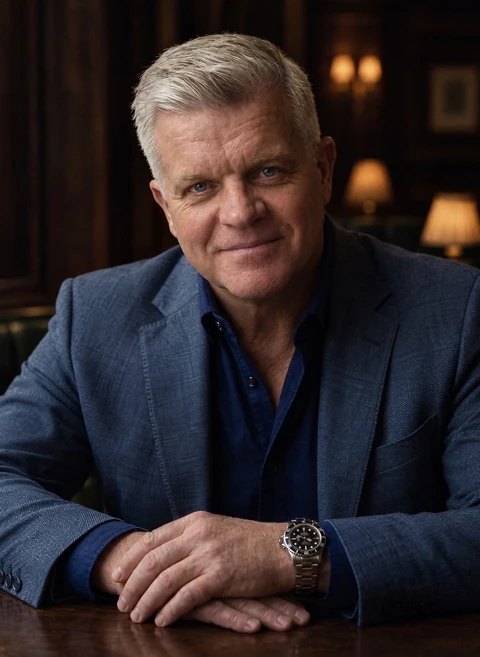
Andrew Freeman in a blue jacket
Andrew Freeman

Creative direction · AI workflows · Editorial

Let’s discuss a role ↗

Applied creative technology

From friction to
a working workflow.

Three workflow studies.
A clear problem, a deliberate decision and a working interaction.

My contribution: product direction, requirements, workflow priorities and visual feedback. Implementation developed with Codex assistance. The on-page walkthrough uses new, fixed fictional samples.

Generated concept artwork of two people reviewing a sales conversation
Concept artwork / implemented behavior demonstrated below

Conversation → a clear follow-up

Sales Conversation Analyzer

01 / Problem
An unanswered buyer concern can disappear between the call and the follow-up.
02 / Decision
Keep the supporting excerpt beside the concern, then make the next action editable.
03 / Implemented
This sample pairs fictional conversation excerpts with editable follow-up notes.

Try one small interaction

Evidence → next action

Fixed fictional examples
New fictional walkthrough excerpt

“What changes after the first year? We need a clearer view of the ongoing cost.”

This on-page sample uses prepared text templates; it does not call an AI service, send messages or save edits.

Selected motion

Stories in motion.

A film-development preview and a full music video.
Both play directly on this page.

Narrative / In development

New cover artwork · 39-second development preview

The Last Deal:
Neon Afterfall

An original sci-fi thriller set in a post-apocalyptic Las Vegas.

My contribution
Story and creative direction, character and location development, AI-assisted visual exploration and editorial review.

Music video / Original work

Concept cover artwork · full music video

Lollipopville

A playful, AI-generated music video with a deliberately different visual language.

My contribution
Creative concept, AI-assisted visual production, shot selection and video editing.

Process / Creative judgment + practical construction

The result is the beginning.
The work behind it matters.

I start with a clear idea, build something I can review, and keep refining it. AI helps me explore and execute. I still have to choose what works, catch what doesn’t, and finish the piece.

Lollipopville concept cover

Film / Find the story in the edit

Concept, continuity, motion tests and the final cut.

Explore the film workflow

I develop the concept and storyboard, then work through a lot of still-image attempts. Nano Banana Pro is a major part of that exploration. Character consistency, framing and depth of field need attention before a still becomes a useful shot.

I test motion with tools including Seedance 2.5, Kling 3.0 and Runway. Working at lower resolution first lets me review the motion and keep room at either end of a clip for editing. I select the useful takes before moving to 1080p.

I edit in Final Cut Pro, grade in DaVinci Resolve and develop music with Suno. The tools help, but the sequence still depends on timing, continuity and the choices I make in the edit.

This describes my broader workflow. Individual shots use different tools and settings; it is not a claim that every stage appears in every clip.

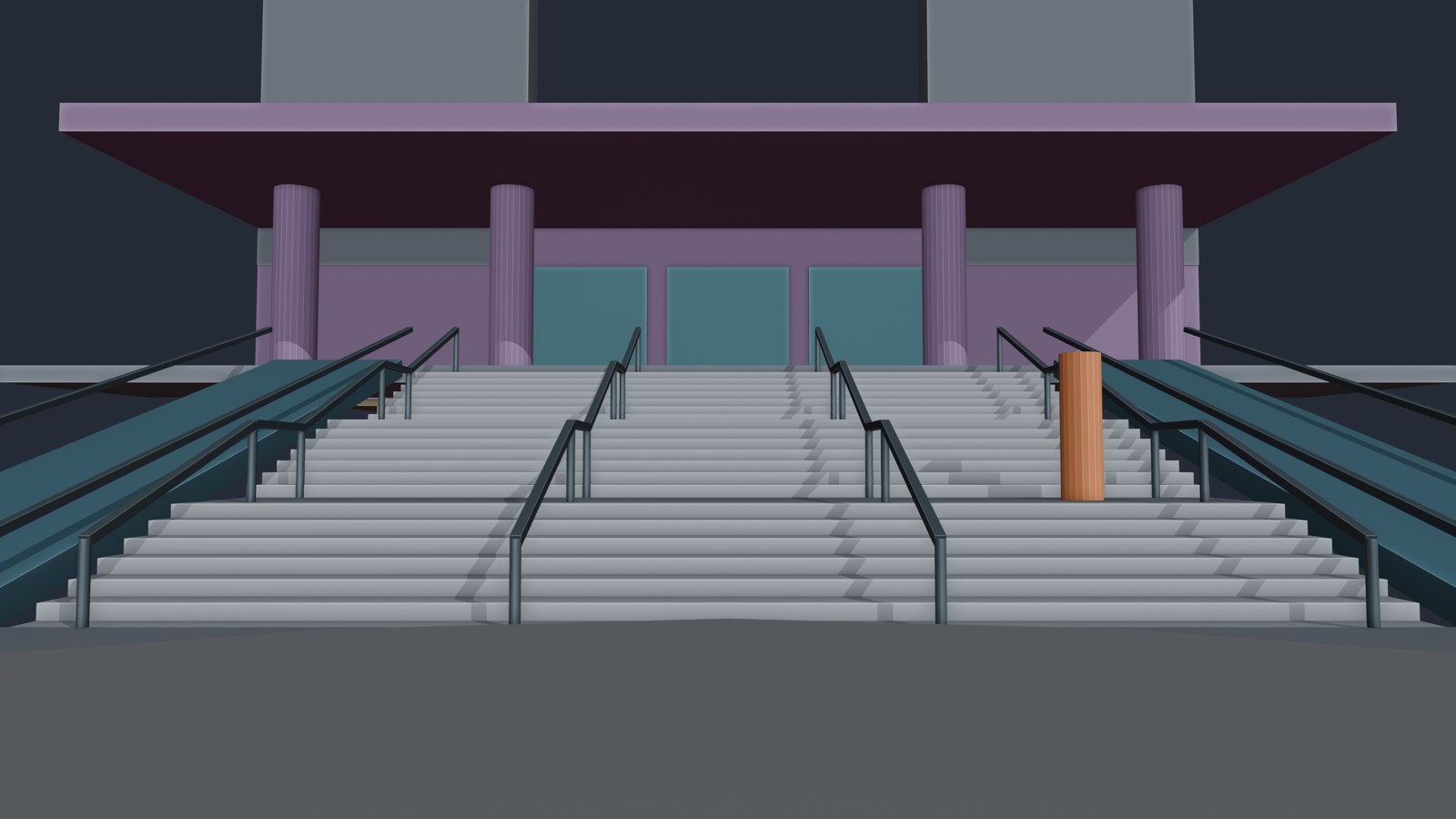
Actual Blender building and stair blockout

3D / Make the structure believable

Measure the silhouette. Test the joints. Review what breaks.

Explore the Blender study

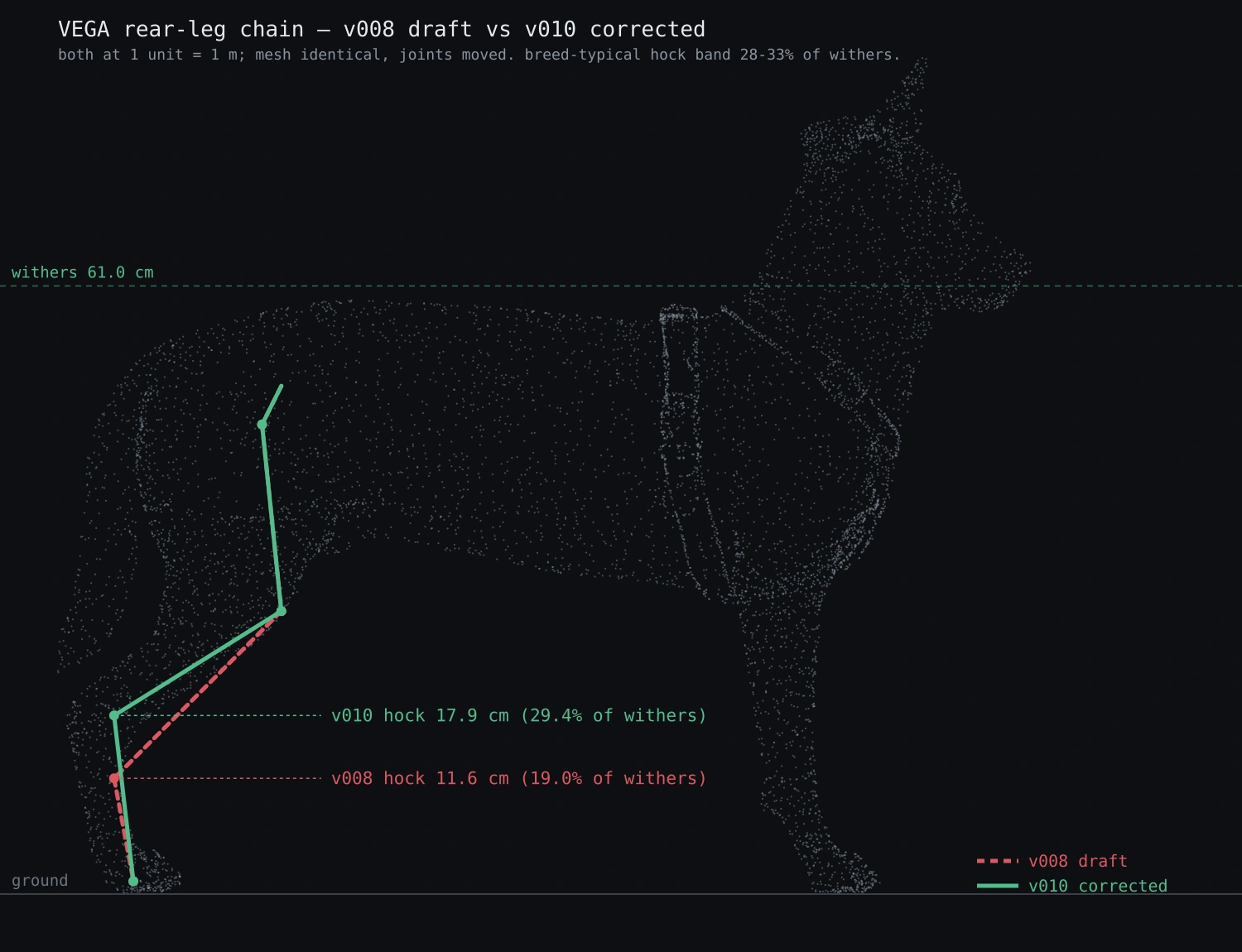
A convincing render is only one checkpoint. Vega’s study tracks scale, joint placement and what happens to the mesh under a pose. Moving the rear hock from 11.6 to 17.9 cm led to a corrected skeleton and a new bind.

The tests also exposed work still needed: the fused harness distorts under shoulder movement, and the hip loses volume during a hind-leg test. Those findings guide the next pass rather than disappearing behind a polished image.

The viewer shows sampled source geometry. Orbiting it helps inspect the shape; it does not run the rig, demonstrate a gait or establish production readiness.

Apps / Build around a real need

A useful next step starts with the right problem.

Sales follow-up concept artworkBuyer concern: ongoing costPrepare an editable follow-up
Sales follow-up · illustrated sample flow
Visit preparation concept artworkObservation: changing sleepPrepare a question for the visit
Visit preparation · illustrated sample flow
Sports comparison concept artworkSame outcome: −120 / −110Compare the fictional prices
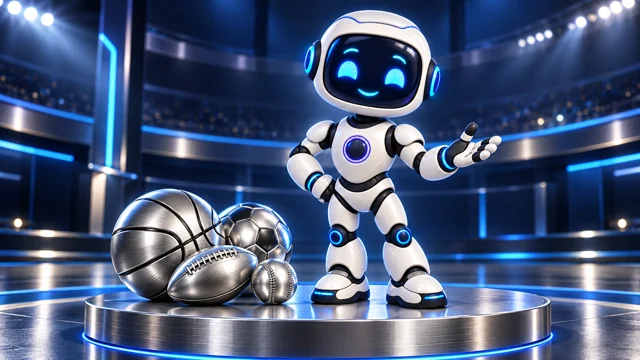
Sports comparison · illustrated sample flow
Explore the app construction

I define the problem, the user’s next action and what a useful result should look like. I work with Codex on implementation, then review the behavior and revise it. The difficult part is making the interaction clear and keeping the output grounded in its source.

Sales follow-up
Keep the buyer’s concern beside the editable next step. The prototype uses fictional conversations and rule-based rehearsal; its drafts need review before anyone sends them.
Visit preparation
Keep the original observation and its context visible, then help organize questions for a visit. The prototype includes sample records and editable questions; it does not diagnose or import medical records.
Sports comparison
Keep the selected matchup and comparison together, with clear odds formats and source limits. The prototype uses fictional quotes and explicit saved preferences; it has no live odds feed or learned betting profile.

The interactions on this portfolio are smaller, fixed examples: choose a sample, prepare its text and edit it. They do not call an AI service or send messages.

Behind the frame

Inside the
production lab.

Inspect the geometry. Turn the model.
Explore the shot before the final frame.

01 / Shot study · The Last Deal

Reveal the world.
Land in the scene.

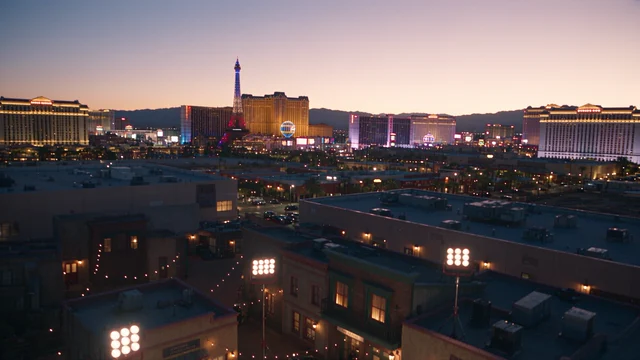
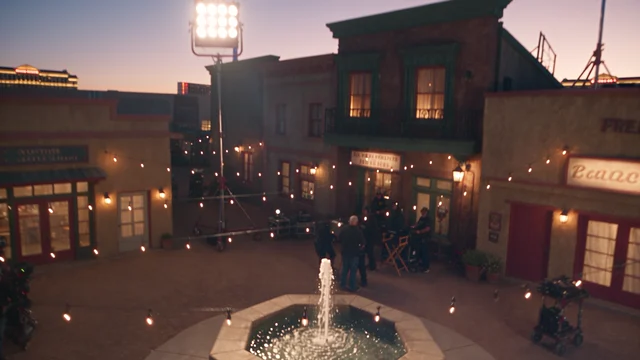
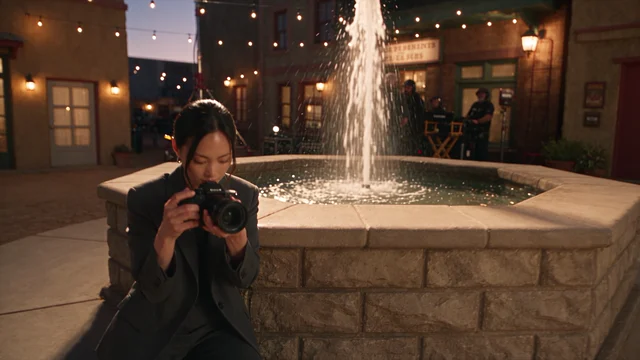
An elevated Las Vegas view drops into the courtyard, bringing the foreground into the frame. Watch the original short camera study, then follow its composition through three actual frames.

AI-generated crane-drop study from my project archive. Five-second original take, with source audio. My contribution: creative direction and shot selection.

Opening crane-study frame establishing the elevated location
01 / EstablishSkyline and setting
Middle frame of the crane descent toward the courtyard
02 / DescendCourtyard and depth
Later crane-study frame with foreground figure in the composition
03 / ArriveForeground and scene

The Last Deal / Interactive Blender studies

Build the scene.
Test the shot.

Start with two actual Blender camera views of the building entrance, then inspect its structure in the interactive viewport. The examples show framing, scale, stairs and character blocking before a finished shot. Optional human-model and dog-rig studies reveal other development work.

My contribution: character and visual direction, development requirements and review. Blender construction and this inspection interface used AI assistance. The dog’s rig remains a development study.

Actual Blender wide camera view of entrance stairs, columns and character stand-in
01 / Building entrance · 24mm wideEstablish the stairs, architecture and human scale.
Actual Blender reverse camera view of entrance stair blockout
02 / Reverse angle · 35mmReview the scene from the other side before cutting between shots.
Actual Blender entrance and stair blockout
ENTRANCE / BLENDER BLOCKOUT

Choose Inspect, Reveal or Rotate. Each control loads the selected study automatically. This viewer inspects static development geometry.

Drag to orbit · Shift-drag or right-drag to pan · Scroll or pinch to zoom · Arrow keys to orbit · + / − to zoom · R to frame. Static sampled source geometry; these controls do not evaluate the rig or create a new model.

Dog rig study / measurements and deformation tests +

Inside the Blender study

Scale, joints
and a believable silhouette.

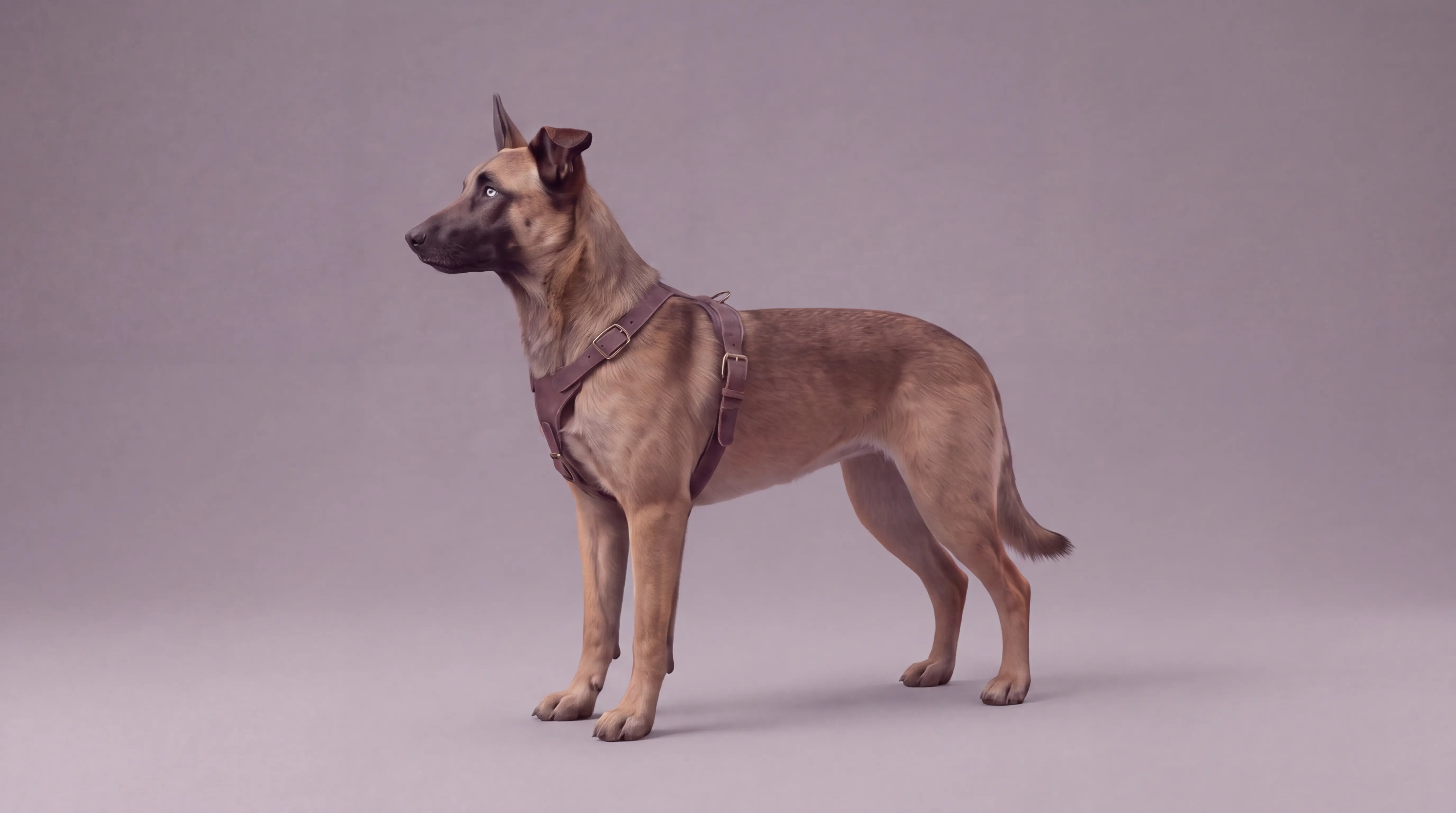
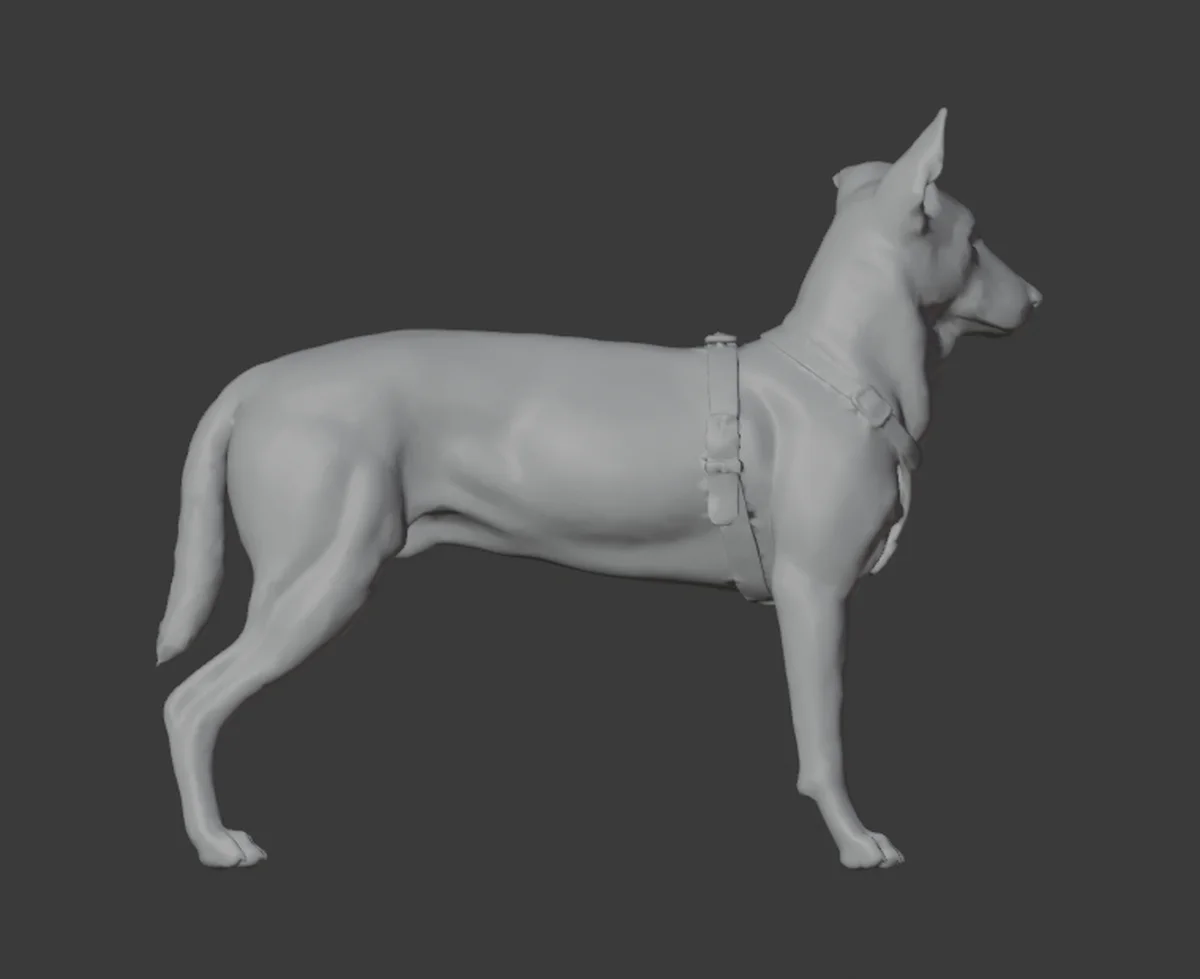
Vega is Hayden’s female Belgian Malinois partner. Her newer reference establishes the visual target; the archived Blender tests show the scale and deformation work beneath it.

October 6 Vega female Belgian Malinois side-profile reference with a leather harness
Vega / October 6 female reference · separate from the archived rig below
14,196Detailed mesh vertices
26Armature bones
24Deform groups · root/jaw excluded
Rest / baseline

Compare the resting silhouette and foot contact before inspecting the diagnostic poses.

Archived v011 rig test, which predates the later leather-harness direction. Its fused harness needs separation; hip volume needs further work. These tests do not establish a finished walking or performance rig.

Actual Vega Blender rest-pose side render
Frame 1 / actual diagnostic render
Archived Vega rear-leg joint comparison: v008 hock at 11.6 cm in red, corrected v010 at 17.9 cm in green, withers 61 cm
Actual archived joint comparison / v008 → v010. The mesh stays the same; the rear-leg joints move. Green: corrected layout. Red: earlier draft.

Centimeter checkpoints / v008 → v010 layout · v011 rebind

Small changes.
Different movement.

Scale and joint height are tracked separately. The rear hock moved up by 6.3 cm before the corrected skeleton was rebound.

Development-model measurements, not real-animal measurements
CheckpointRecorded value
Withers / shoulder height61.0 cm
Overall mesh length97.7 cm
Mesh width27.2 cm
Top of erect ear83.9 cm
Rear hock / above ground11.6 → 17.9 cm
How the limb review informs the next pass +
Scale

The 61 cm withers value is a pipeline working target. Record shoulder height independently from total ear height; preserve uniform mesh-and-armature scale.

Joint placement

The corrected v010 LAYOUT hock sits 17.9 cm above ground. The v011 deformation study binds the detailed mesh to those corrected joints; the older v010 SKIN is a different checkpoint.

Performance

Foreleg abduction exposes fused-harness distortion. A 35° hind-leg flexion pinches the hip. Further shoulder flexion, eye/ear controls and gait tests remain open.

Open the visual brief and selected shot +

Creative direction / The Last Deal

From a visual brief
to a selected shot.

Develop a convincing character and a coherent Las Vegas world. Lock the references, explore the scene, then select the motion that supports the story.

My contribution: story and visual direction, reference selection and continuity review within an AI-assisted filmmaking workflow.

Woman in a ruined casino / six-second excerpt from the film-development preview. Lighting, atmosphere and performance in context.

CAST

The Last Deal / Character cards & 360 reviews

Same character.
Every angle.

Compare women’s character references, an archived 360 review and the male character’s costume layers.

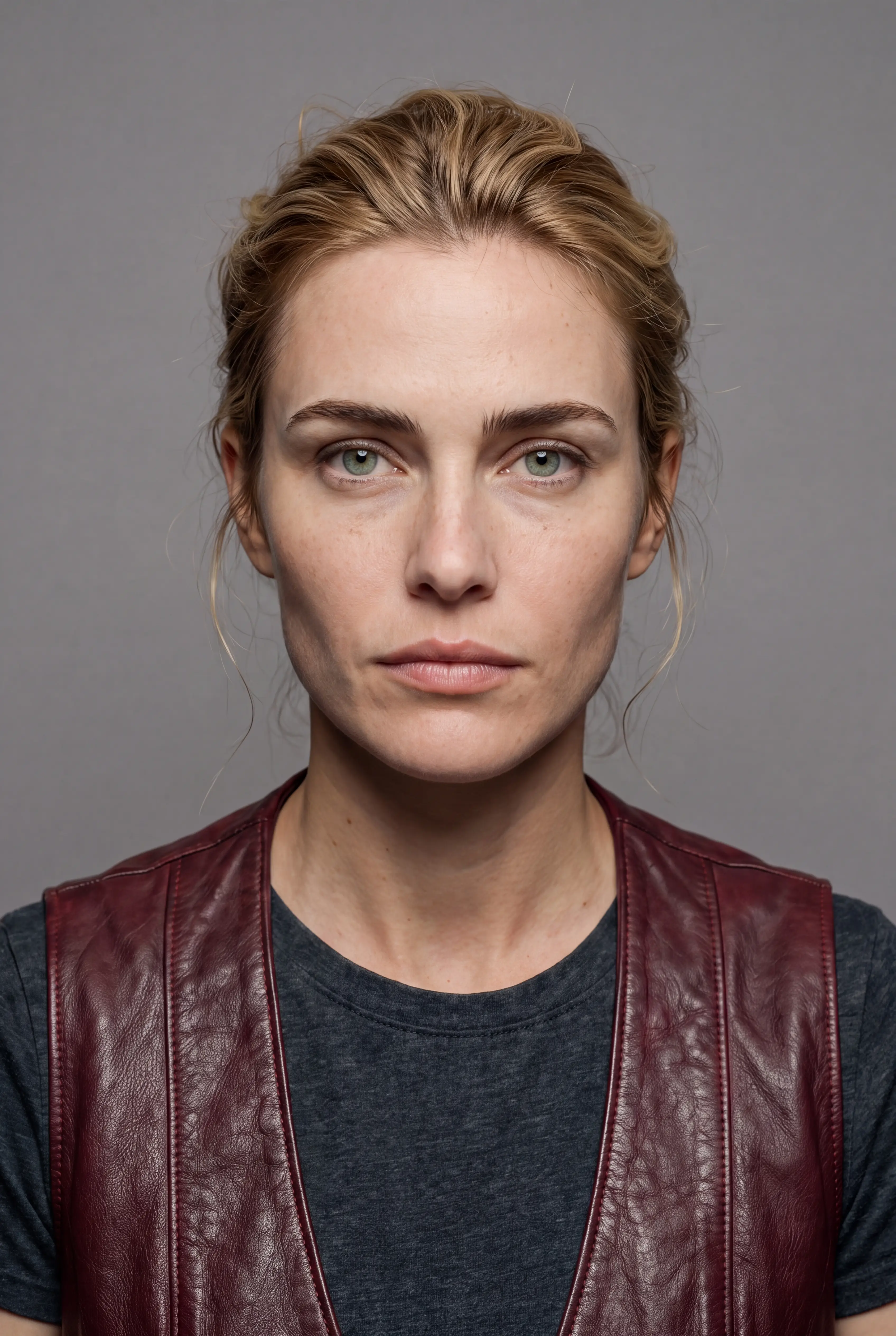
Nyx / Identity

Nyx / October 6 character reference

  • The latest selected portrait from Higgsfield replaces the older identity card.
  • Honey-blonde updo, loose wisps, freckles and maroon leather dealer vest anchor the look.
  • Compare the front, profiles and rear view before carrying her into a shot.

My role: creative direction, reference selection and continuity review. Reference images are AI-generated. The 360 videos are existing model reviews; newer portraits do not establish a rebuilt or approved rig.

Nyx latest October 6 Higgsfield portrait reference
Nyx / Identity · October 6 Higgsfield reference
02

Location & depth

Start with
a real place.

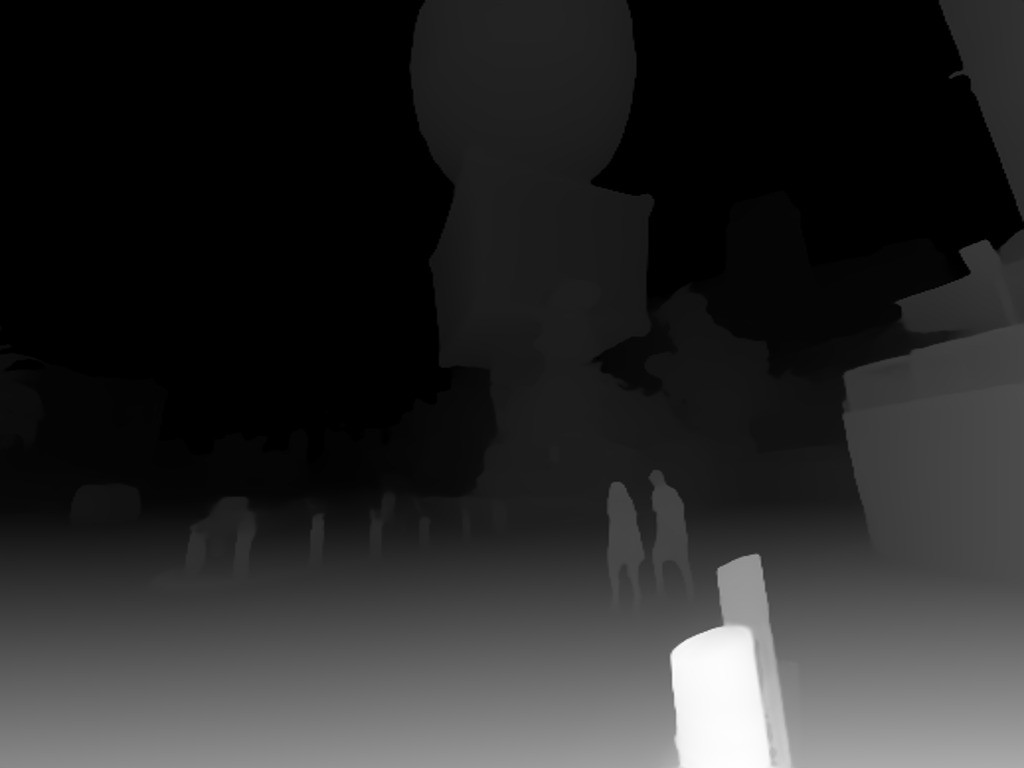
Location photography gives the world a concrete reference. A relative-depth estimate separates near and far regions for spatial planning.

My role: location-reference capture and creative workflow direction. Depth was generated locally with AI assistance using Depth Anything V2; it estimates relative depth rather than measured distance.

Las Vegas location photograph used as the depth referenceEstimated depth from the same photograph, with brighter regions nearer the cameraPhotoDepth
Reference 0096 / bright = near · contact-sheet photo shown at its original available resolution
03

Blender / Previsualization

Stage the shot
before the shoot.

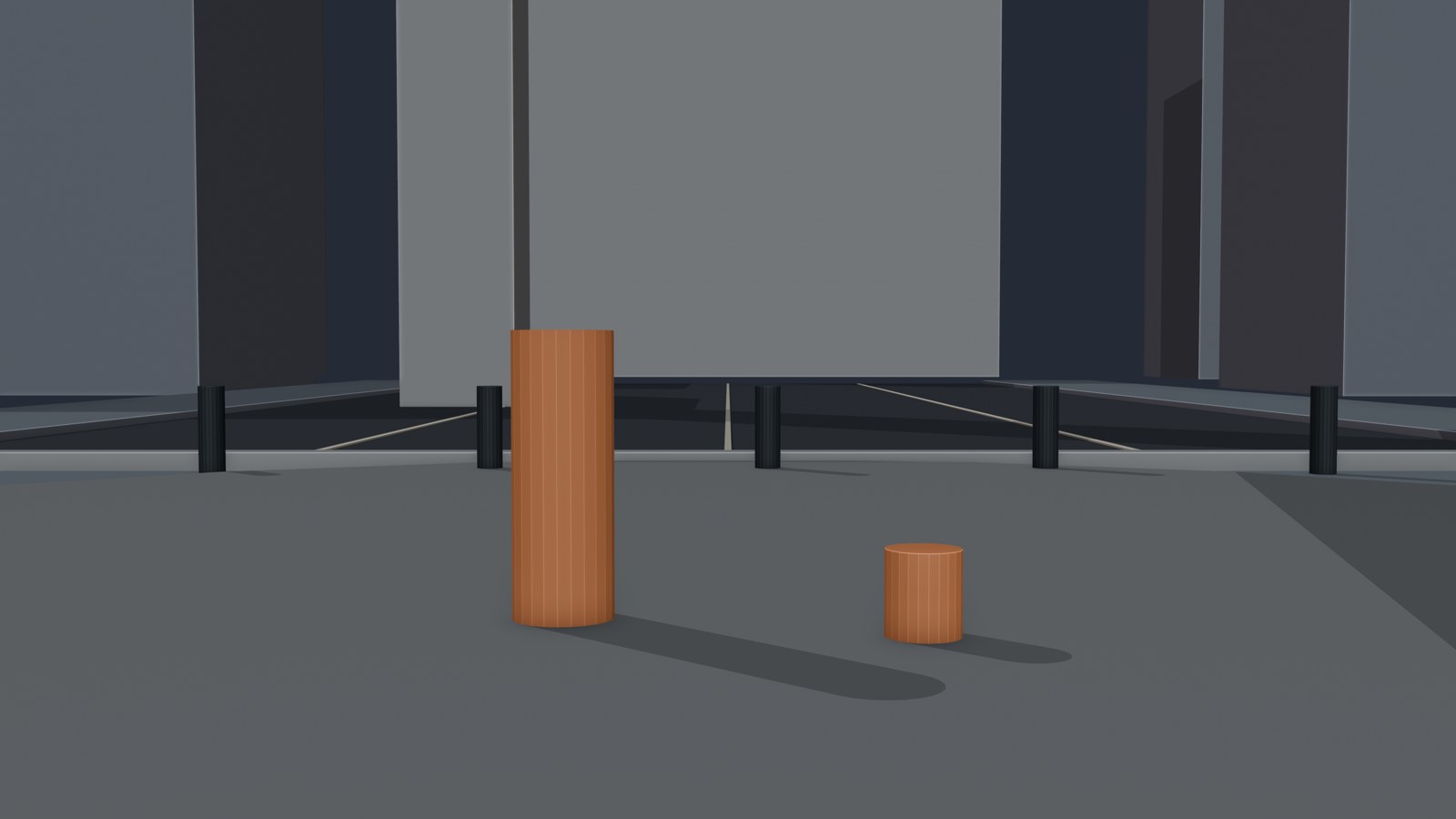
A location-based Blender blockout explores stair geometry, camera placement and lens choices. Simple stand-ins make blocking readable before detailed character work.

My role: creative direction and location-reference workflow. Scene construction and repeatable camera cards used AI-assisted scripts.

View the three-camera study ↗
Blender stair-base camera blockout with rails, columns and a cylindrical character stand-in
24mm wide / Blender blockout · unfinished scene study
Costume & props / Hayden’s developmentOpen / close study

The Last Deal / October 6 references

Build the person.
Then build the layers.

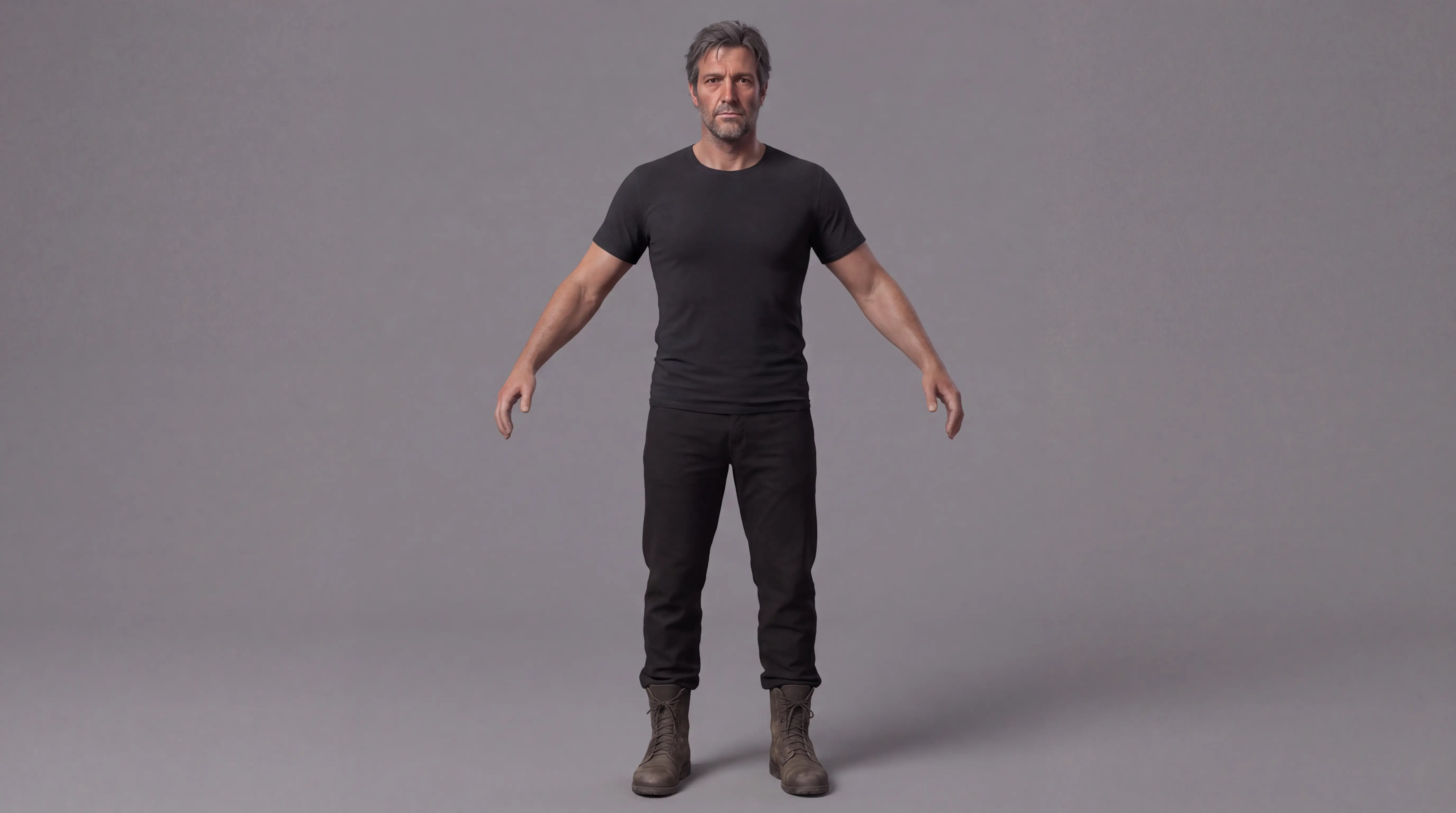
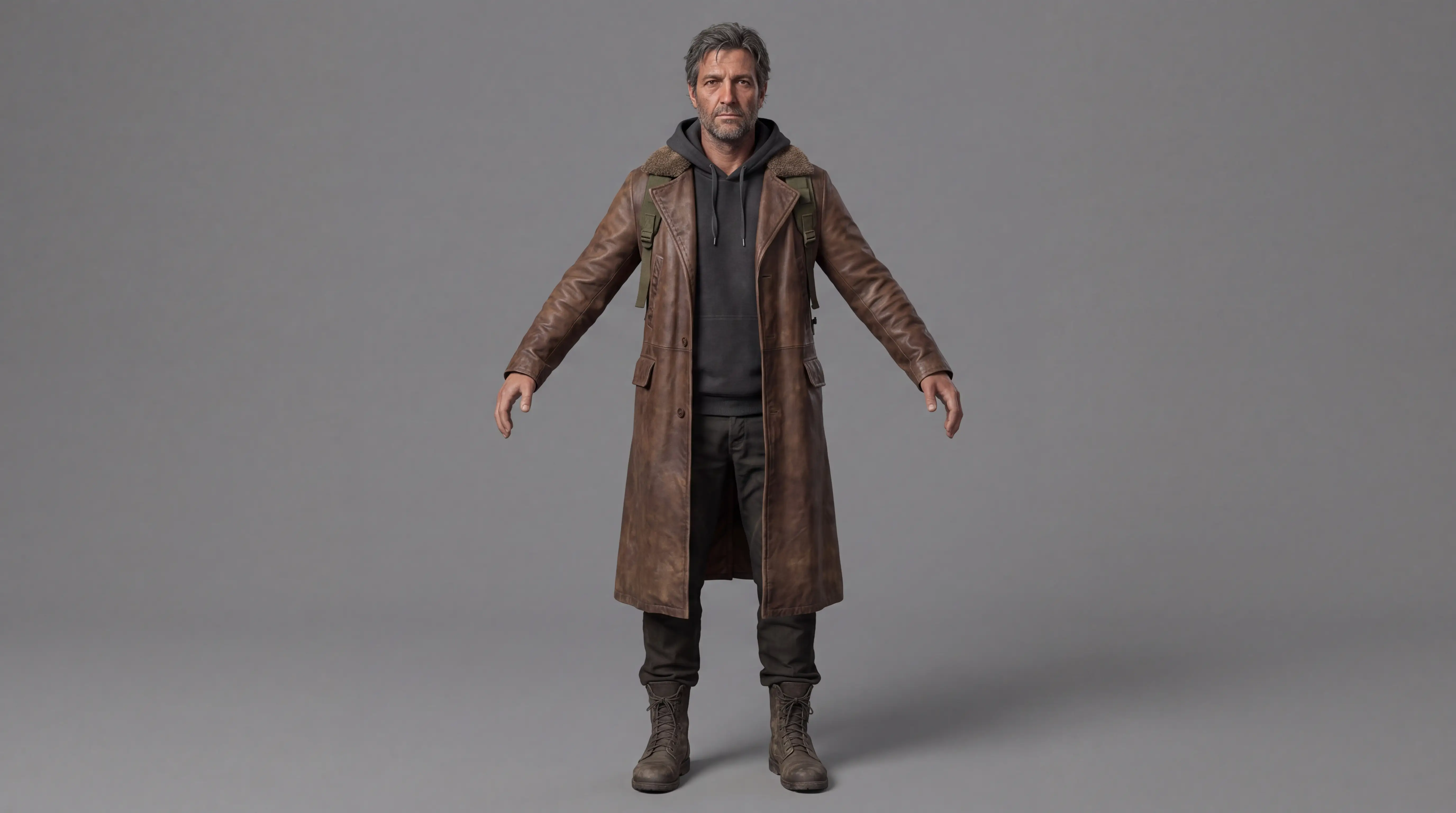
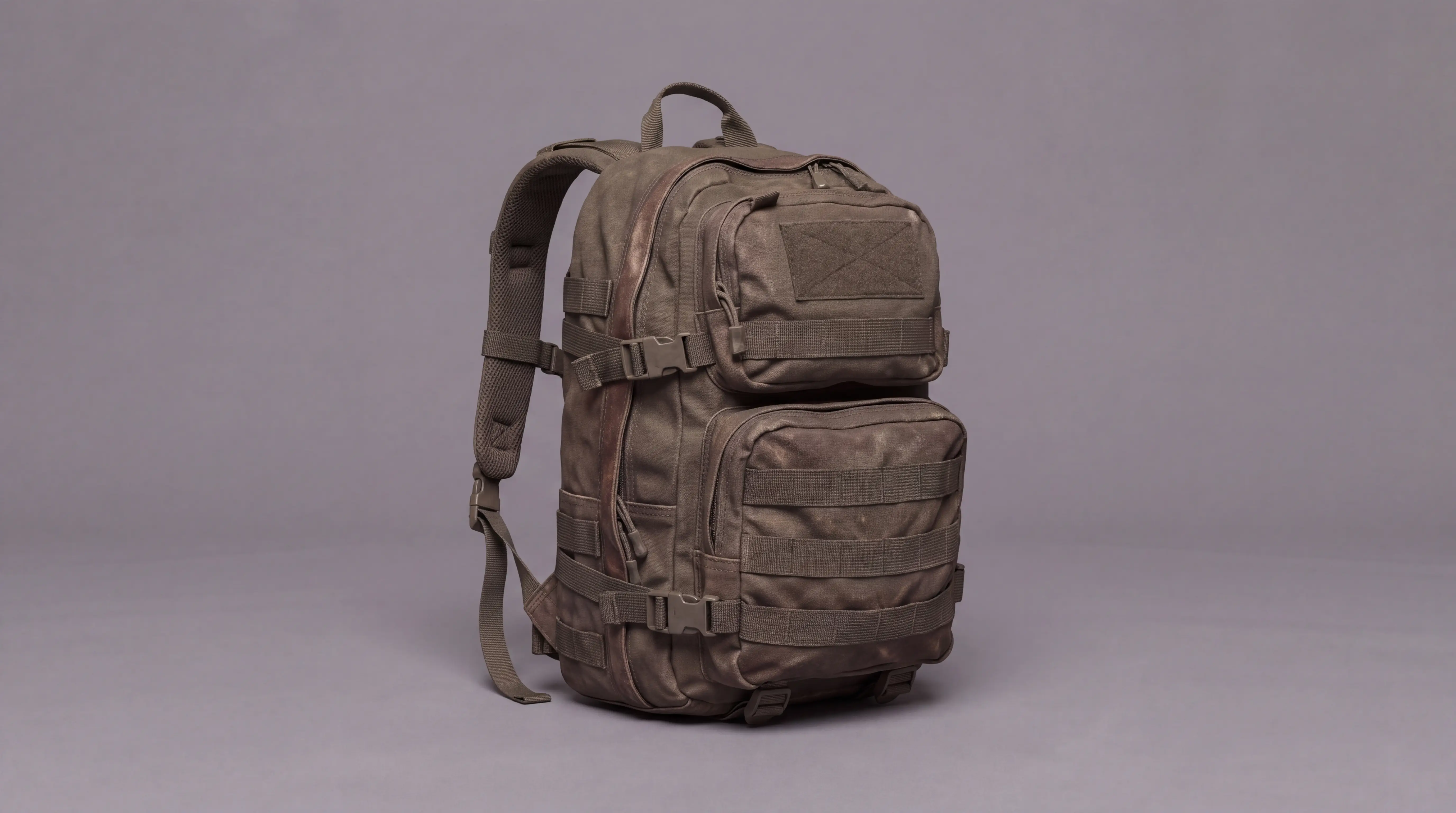
Hayden’s latest references separate the base clothing, outer coat and field equipment. That gives costume and 3D development a clear set of parts to review.

Hayden in black t-shirt, trousers and boots, with coat and backpack removed
01 / Base layerBlack tee, trousers and boots
Hayden front-view reference wearing a weathered brown duster and dark hoodie
02 / Outer layerWeathered duster and hoodie
Isolated worn field backpack with canvas and leather details
03 / Field equipmentBackpack studied independently
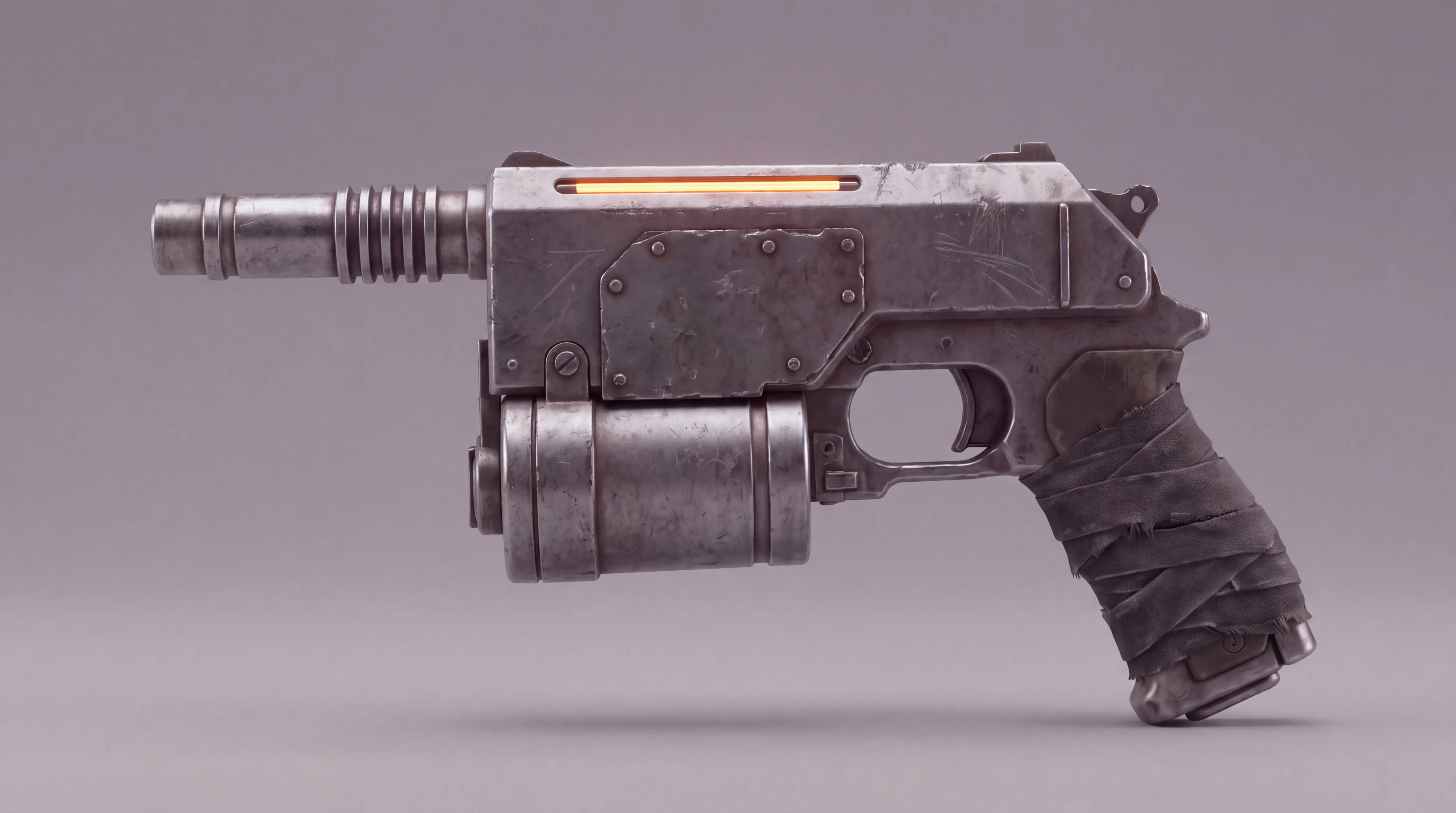
Compact field blaster side-profile reference from The Last Deal props folder
Prop silhouette / compact field blaster
Vega turns toward a faint cyan glow in a ruined casino storyboard frame
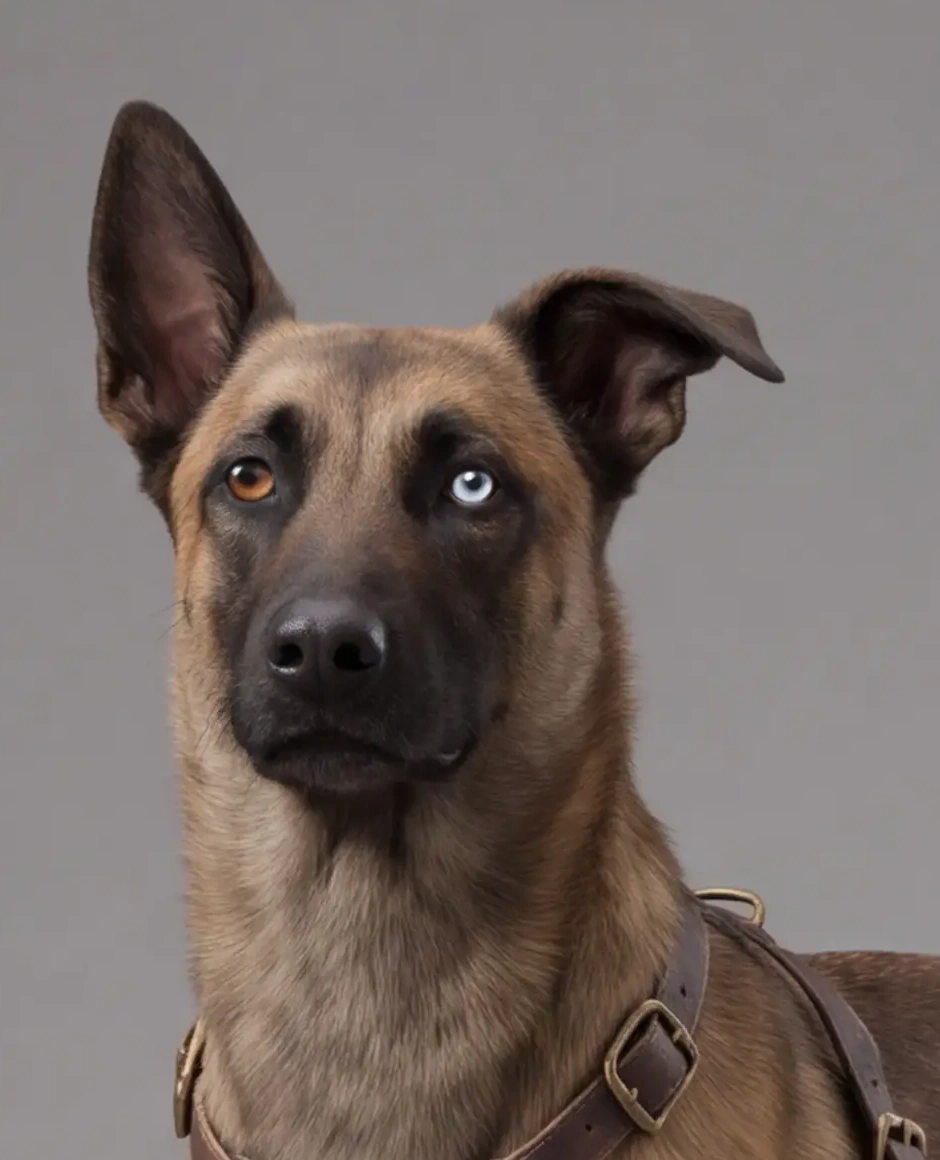
Dog character close-up / eye, ear and collar reference

My contribution: costume and prop direction, reference selection and visual review. Existing Higgsfield development references show costume, equipment and the dog’s facial details.

03 / What I bring to a team

Creative instinct.
Practical follow-through.

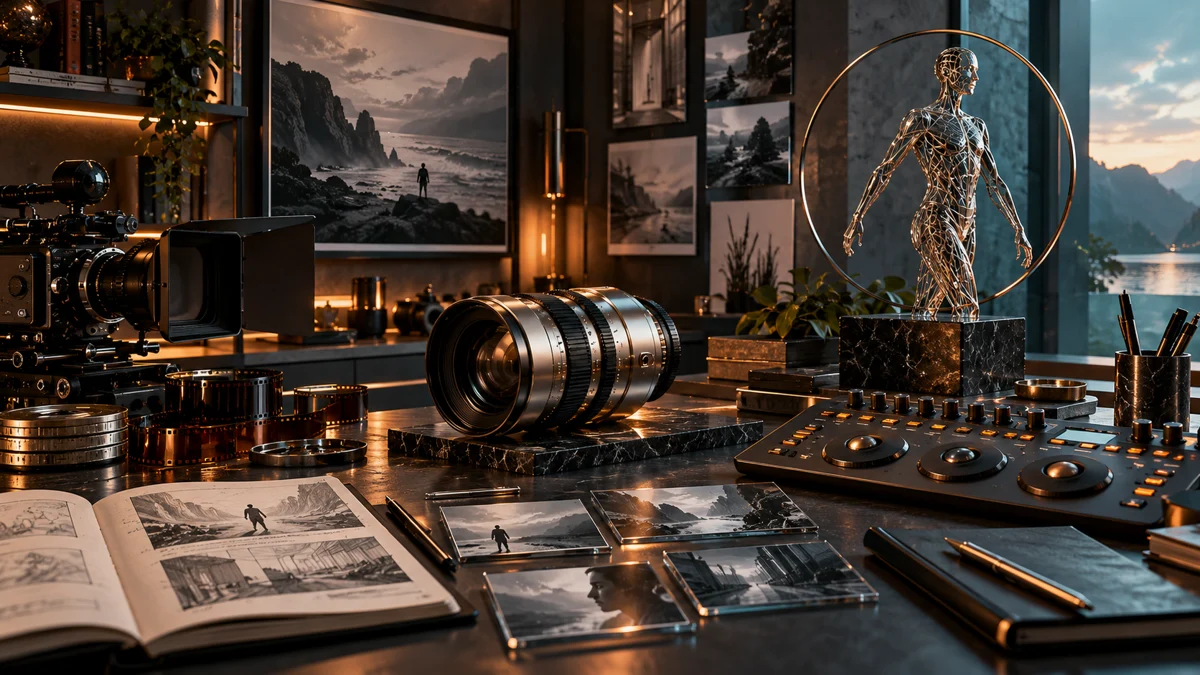
Concept artwork of a cinematic workbench with camera, storyboard and editing tools
New portfolio concept artwork

I’m a Las Vegas–based producer, director and editor working across generative video, 3D environments, post-production and AI workflow prototypes.

I combine location references, character continuity, lighting and editorial judgment to develop cinematic sequences. My background includes leading a multidisciplinary production department at LightSpeed VT.

Creative production

Story development · visual direction · character continuity · location references

Image & motion workflows

Higgsfield · Nano Banana Pro · Seedance · Blender · ElevenLabs · Suno

Editorial & finishing

Final Cut Pro · DaVinci Resolve · Adobe Creative Cloud · Motion

For workflow projects, I shape the problem, user experience and review criteria; implementation is developed with AI coding assistance. Tools reflect my current creative workflow. Project notes above distinguish generated imagery, Blender studies and my contribution.

Selected work

Videos play here using local playback controls. Close returns to the portfolio.